



Explore in 2026 pollution Crises levels are increasing dramatically due to urbanization, industrial growth, traffic, climate change, and waste mismanagement. Read latest trends, alarming statistics, causes, impact on health, and practical solutions for a cleaner future in 2026 Pollution Crisis.
Table of Contents
Toggle2026 Pollution Crisis: A Growing Crisis the World Can No Longer Ignore
The year 2026 has brought remarkable technological growth, smarter cities, electric mobility, and AI-driven industries. But alongside this rapid progress, another reality is becoming impossible to ignore —2026 Pollution Crisis are rising at an alarming pace across the globe. From toxic air in metropolitan cities to plastic-filled oceans and contaminated groundwater, pollution is no longer just an environmental issue. It has become a public health emergency, an economic burden, and a direct threat to future generations.
Major cities across Asia, Europe, and North America are witnessing dangerous air quality levels more frequently than ever before. Heatwaves, industrial expansion, construction activities, traffic congestion, and excessive waste generation are contributing heavily to environmental degradation. Experts now warn that if strong global action is not taken immediately, pollution-related deaths and climate disasters could increase sharply by the end of this decade.
The concern is especially serious in developing urban regions where infrastructure growth is happening faster than environmental planning. While governments continue introducing green initiatives and sustainability campaigns, the pace of pollution growth is still outpacing the solutions.
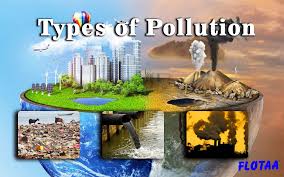
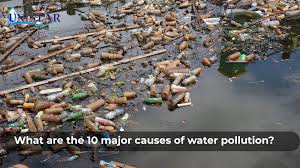
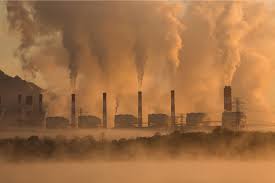
Why in 2026 Pollution Crisis is Increasing Rapidly
1. Urbanization and Population Growth
Cities are expanding faster than ever. More people are migrating toward urban areas for jobs, education, and better lifestyles. As a result, vehicle usage, energy demand, construction, and waste generation have increased massively.
Mega cities are struggling with overcrowded roads, dust pollution, sewage management, and industrial emissions. In many areas, green spaces are shrinking while concrete infrastructure keeps expanding.
The United Nations estimates that nearly 70% of the global population could live in urban areas by 2050, which makes pollution control even more critical.
Rising Vehicle Emissions Continue to Damage Air Quality
Despite the rise of electric vehicles, millions of fuel-powered cars, trucks, and two-wheelers are still operating daily. Traffic congestion remains one of the biggest contributors to urban air pollution in 2026.
In densely populated cities, pollution from diesel engines, commercial transportation, and logistics vehicles is creating dangerous levels of:
- Carbon monoxide
- Nitrogen dioxide
- Sulfur dioxide
- Fine particulate matter (PM2.5 and PM10)
These pollutants directly affect human lungs and cardiovascular health.
According to global environmental studies, air pollution is still responsible for millions of premature deaths every year worldwide.
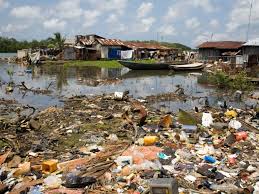
Industrial Growth vs Environmental Responsibility
Industrial production has accelerated significantly after global economic recovery and increasing consumer demand. Manufacturing units, factories, thermal plants, mining projects, and chemical industries continue releasing harmful pollutants into the air and water.
Many industries still rely heavily on fossil fuels and outdated waste disposal systems. In several countries, environmental regulations exist on paper but enforcement remains weak.
Industrial waste discharged into rivers and oceans is also becoming a major concern in 2026, particularly in regions where untreated wastewater enters public water bodies.
Plastic Pollution Has Reached Dangerous Levels
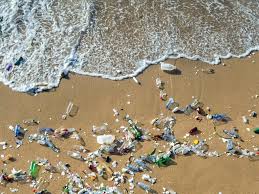
Plastic waste is now one of the biggest environmental threats globally. Single-use plastics continue to dominate packaging industries, online deliveries, food services, and retail sectors.
Even though awareness campaigns have increased, recycling systems are still unable to manage the volume of waste being generated daily.
Environmental researchers estimate that millions of tons of plastic waste enter oceans every year, affecting marine ecosystems, aquatic life, and even human food chains through microplastics.
In 2026, microplastic contamination has reportedly been found in:
- Drinking water
- Sea salt
- Human blood samples
- Agricultural soil
- Seafood products
This has intensified global concern among scientists and healthcare experts.
Alarming Pollution Statistics in 2026
Here are some of the most concerning pollution trends observed globally in 2026:
| Pollution Factor | 2026 Situation |
|---|---|
| Air pollution deaths | Millions annually worldwide |
| Plastic waste generation | Rising every year |
| Urban AQI levels | Frequently crossing hazardous limits |
| Ocean plastic presence | Millions of tons |
| Freshwater contamination | Increasing in developing regions |
| Heatwave frequency | Higher than previous decades |
| Respiratory diseases | Rapidly increasing among children & elderly |
These numbers highlight how pollution is now impacting both environmental stability and human survival.
Climate Change is Making Pollution Worse
Climate change and pollution are deeply interconnected. Rising temperatures, wildfires, dust storms, and changing weather patterns are intensifying pollution levels across many countries.
For example:
- Heatwaves trap pollutants closer to the ground
- Wildfires release massive smoke and carbon emissions
- Droughts increase airborne dust particles
- Floods spread industrial and sewage contamination
In many cities, summers are becoming longer and more polluted than before, causing breathing difficulties even among healthy individuals.
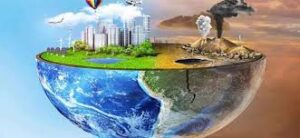
Health Effects of Increasing Pollution
One of the most worrying aspects of pollution in 2026 is its direct impact on human health. Doctors and health organizations are reporting increasing cases of:
Respiratory Diseases
Asthma, bronchitis, allergies, and lung infections are becoming more common, especially among children and senior citizens.
Heart Problems
Long-term exposure to polluted air increases the risk of heart attacks, strokes, and high blood pressure.
Mental Health Concerns
Recent studies suggest pollution exposure may also affect mental well-being, sleep quality, and stress levels.
Skin and Eye Irritation
Toxic air and contaminated water are leading to skin allergies, eye infections, and irritation in many urban regions.
Healthcare experts now recommend pollution protection measures similar to weather precautions in several major cities.
What Governments and Industries Are Doing
Governments worldwide are trying to tackle pollution through:
- Electric vehicle policies
- Plastic bans
- Green energy projects
- Carbon reduction targets
- Tree plantation campaigns
- Smart city initiatives
- Waste recycling programs
Large corporations are also investing in sustainability strategies and cleaner manufacturing practices. However, experts believe stronger implementation and public participation are still urgently needed.
How Individuals Can Help Reduce Pollution
While policy-level action is essential, individuals also play an important role in controlling pollution.
Simple steps can make a major difference:
- Use public transport or carpooling
- Reduce single-use plastic usage
- Save electricity and water
- Support eco-friendly products
- Plant trees and protect green spaces
- Dispose of waste responsibly
- Choose sustainable lifestyle habits
Environmental responsibility must become part of everyday life rather than an occasional campaign.
The Future of Pollution: Can 2026 Become a Turning Point?
In 2026 pollution crisis serves as a warning sign for the entire world. If governments, industries, and citizens fail to act collectively, environmental damage may become irreversible in the coming years.
However, experts also believe this decade presents an opportunity. Advances in renewable energy, green technology, smart infrastructure, and environmental awareness can still help reverse some of the damage.
The challenge is not the lack of solutions — it is the speed of implementation.
Conclusion : 2026 Pollution Crisis
2026 Pollution Crisis is no longer a distant environmental concern discussed only in climate conferences. It is affecting the air we breathe, the water we drink, the food we consume, and ultimately our overall quality of life.
From rising urban emissions to plastic waste and industrial contamination, the warning signs are visible everywhere. While governments and organizations continue working toward cleaner solutions, real change will require stronger policies, corporate accountability, and active public participation.
The future of the planet depends on decisions being made today. Pollution control is not only about protecting nature anymore — it is about protecting humanity itself.
Frequently Asked Questions (FAQs) : 2026 Pollution Crisis
What is the biggest cause of pollution in 2026?
The biggest contributors include vehicle emissions, industrial activities, plastic waste, urbanization, and fossil fuel consumption.
Why is air pollution increasing despite electric vehicles?
Although EV adoption is growing, millions of traditional fuel vehicles are still on roads, especially in developing countries with heavy traffic congestion.
How does pollution affect human health?
Pollution can cause respiratory diseases, heart problems, allergies, skin irritation, and long-term health complications.
Which countries are most affected by pollution?
Highly populated and industrialized nations with rapid urban growth are facing the highest pollution challenges.
Can pollution levels improve in the future?
Yes, with stricter environmental policies, renewable energy adoption, waste management improvements, and public awareness, pollution levels can be reduced significantly.
What are microplastics?
Microplastics are tiny plastic particles found in water, food, soil, and even the human body due to plastic waste breakdown.
How can individuals reduce pollution?
Using public transport, reducing plastic usage, saving energy, recycling waste, and supporting eco-friendly practices can help reduce pollution.
Connect Me Through INSTAGRAM